Introduction to Telehandler
A telehandler is a versatile piece of equipment that combines the functionality of a forklift with the reach of a crane, making it an essential machine for various industries, particularly construction and agriculture. With its unique design, the telehandler helps operators lift, carry, and position materials at elevated heights and distant locations with precision and safety. This article will explore the fundamental components of telehandlers, their versatile applications, benefits, essential factors in selecting the right unit, maintenance protocols, and common queries related to their usage.
What is a telehandler?
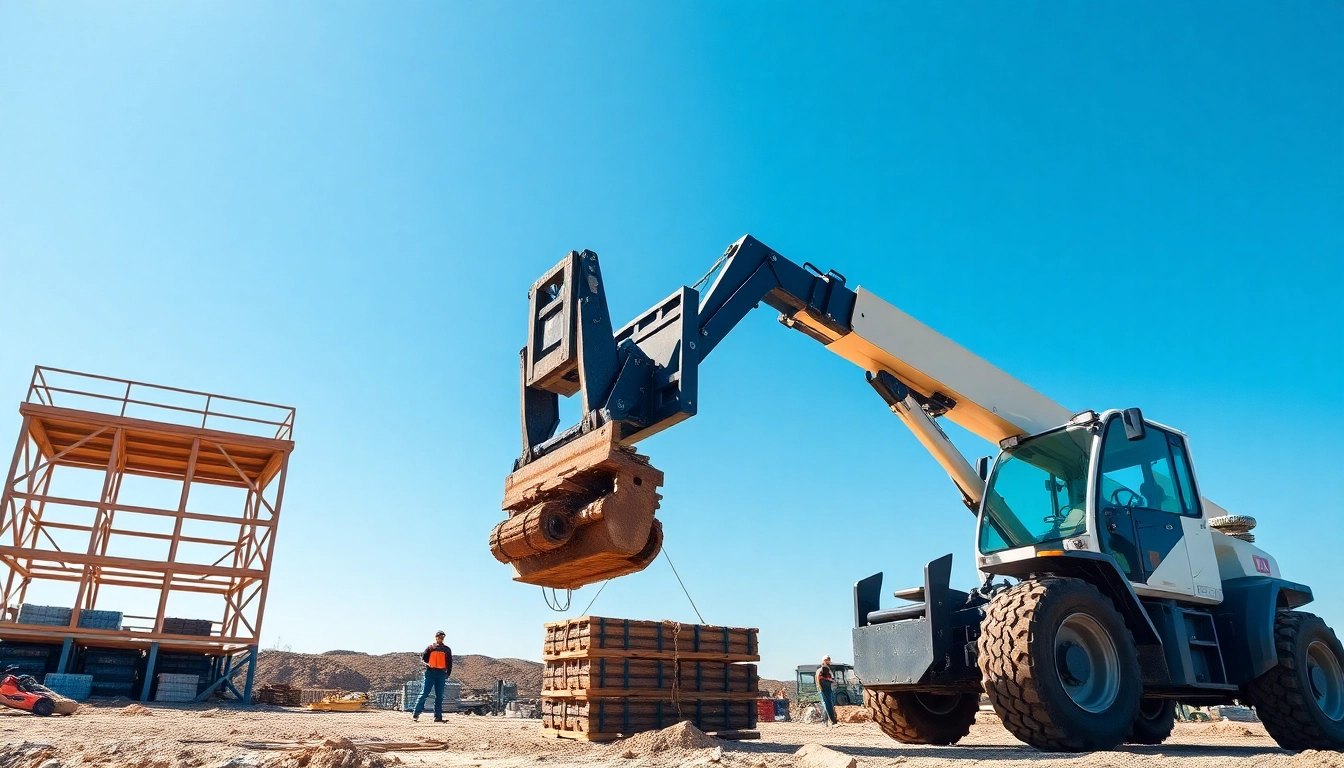
A telehandler, also known as a telescopic handler or reach forklift, is a powered lift vehicle with a boom that extends outward and upward. Unlike standard forklifts that can only lift loads vertically, telehandlers can reach out to lift heavy materials up to significant heights. This makes them incredibly useful for various applications, such as construction, agricultural work, and material handling in warehouses. The telehandler is equipped with a hydraulic system that powers its telescoping boom, which can be paired with a multitude of attachments including forks, buckets, and winches, enhancing its functionality beyond that of a standard forklift.
Key features of telehandler
Telehandlers come with several standout features that differentiate them from other lifting equipment. Firstly, the telescoping boom is the hallmark of a telehandler, allowing for extension of lift capabilities that can reach heights often exceeding 50 feet. Additionally, many models are designed with articulated steering, which provides a tight turning radius—crucial for maneuvering on construction sites. Telehandlers also boast impressive load capacities, typically ranging from 5,000 to 12,000 pounds, and often include advanced safety systems such as stabilizers, sensors, and weight indicators to prevent tipping and ensure safe operation.
Common uses of telehandler
Telehandlers are employed broadly in the construction industry for tasks such as lifting and positioning materials like bricks, concrete blocks, and steel beams. In agricultural settings, telehandlers are used to move feed, hay bales, and other heavy loads around farms efficiently. Furthermore, telehandlers are beneficial in landscaping and renovation projects where materials need to be elevated and maneuvered in tight spaces. Their flexibility also extends to industrial applications where moving parts and equipment is necessary.
Benefits of Using Telehandler
Enhanced lifting capacity
The core advantage of using a telehandler is its enhanced lifting capacity. This allows operators to lift heavier loads than standard forklifts, significantly reducing the number of trips needed to transport materials on a job site, thereby improving efficiency. The ability to extend vertically and reach out beyond obstacles also means that telehandlers can reach materials stored at height or in hard-to-access areas.
Versatility in applications
Telehandlers are manufactured to be incredibly versatile, accommodating a variety of attachments that allow for different applications. Whether it’s using forks for pallet handling, buckets for material transport, or grapples for logs and bales, telehandlers can be adapted to meet specific project needs. This versatility extends the lifespan of the equipment and provides substantial cost savings over time since one machine can fulfill multiple roles on a job site.
Safety features and compliance
Modern telehandlers come equipped with numerous safety features designed to ensure the safety of the operator and bystanders on the worksite. Features like automatic stabilizers, overload sensors, and rudder-assisted steering are designed to maximize control during operation. Compliance with OSHA and other safety regulations is a critical aspect of telehandler design, ensuring that the equipment operates safely and efficiently under various conditions.
Choosing the Right Telehandler
Factors to consider
When selecting a telehandler, various factors must be considered to ensure optimal performance for your specific needs. First, assess the maximum height and weight capacity required for your projects. Additionally, factor in the terrain of your work environment; different models are tailored for rough terrain, while others excel on paved surfaces. It’s also important to take into account the required maneuverability for tight spaces versus open job sites.
Different models available
The telehandler market features a wide range of models, each designed with specific functions in mind. Compact telehandlers offer efficiency and agility for small to medium-sized spaces, while larger, heavy-duty models cater to operations requiring extensive lifting capabilities. Some models come equipped with advanced features like closed-loop hydraulics, which provide more efficient lift control, while others may focus on ease of attachment changes.
Evaluating telehandler attachments
The right attachments can drastically enhance a telehandler's capabilities. Common attachments include fork tines, buckets, and winches, each suited for specific tasks. It’s crucial to evaluate the material handling requirements periodically and analyze compatibility with available telehandler models. Additionally, selecting high-quality attachments can further improve the performance and efficiency of the machine.
Maintaining and Operating Telehandler
Routine maintenance tips
Routine maintenance is key to ensuring the longevity and efficient operation of your telehandler. Regular checks of hydraulic fluids, tire pressure, and lubricants are essential. Scheduled inspections should include checking for wear on the boom and attachments, along with conducting pre-operation functional checks. Implementing a daily log of maintenance activities can help track the machine's performance and prompt timely fixes.
Safety protocols for operation
Ensuring safety while operating a telehandler is paramount. Operators must be aware of their surroundings and adhere to established guidelines for safe use, such as wearing seat belts and utilizing proper communication signals. Training should emphasize the importance of load assessment, ensuring that the maximum weight capacity is not exceeded. Also, using spotters for visibility during operation can help prevent accidents, especially in crowded or hazardous environments.
Common troubleshooting issues
Like any piece of heavy machinery, telehandlers can encounter various operational issues. Common problems range from hydraulic leaks and electrical malfunctions to mechanical failures, such as boom jams. It’s critical to familiarize oneself with troubleshooting procedures, such as assessing fluid levels or checking for blockage in the boom mechanisms. Furthermore, having a qualified technician available for complex repairs is essential for maintaining operational efficiency.
FAQs About Telehandler
What is the maximum lift height of a telehandler?
Telehandlers typically have a maximum lift height ranging from 30 to 50 feet, depending on the model. Some specialized models can even exceed this height.
Can I use a telehandler on uneven ground?
Yes, many telehandlers are designed for rough terrain use, equipped with features like four-wheel drive and stabilizers to ensure safety and stability.
How do telehandlers differ from regular forklifts?
Telehandlers can reach greater heights and extend further than standard forklifts, offering more versatility with various attachments and functionalities.
What attachments are available for telehandler?
Attachments for telehandlers include forks, buckets, winches, and lifting jibs, allowing for a wide range of material handling tasks.
Is operator training required for telehandlers?
Yes, operator training is required to ensure safe operation, enhance productivity, and comply with workplace safety regulations.
Contact Information
Call Us: 4062607988Address: 3906 MT-40, Columbia Falls, MT 59912