Understanding Hydraulic Pump Services
Hydraulic pump services play a pivotal role in ensuring the optimal performance and efficiency of hydraulic systems across various industries. From construction and manufacturing to agriculture and automotive applications, the reliability of hydraulic pumps can significantly impact operational success. In this article, we delve into the essential aspects of hydraulic pumps, their maintenance, and the types of services available to enhance their performance. For effective and dependable hydraulic pump services, businesses must understand the nuances of these systems and proactively address their needs.
What Are Hydraulic Pumps?
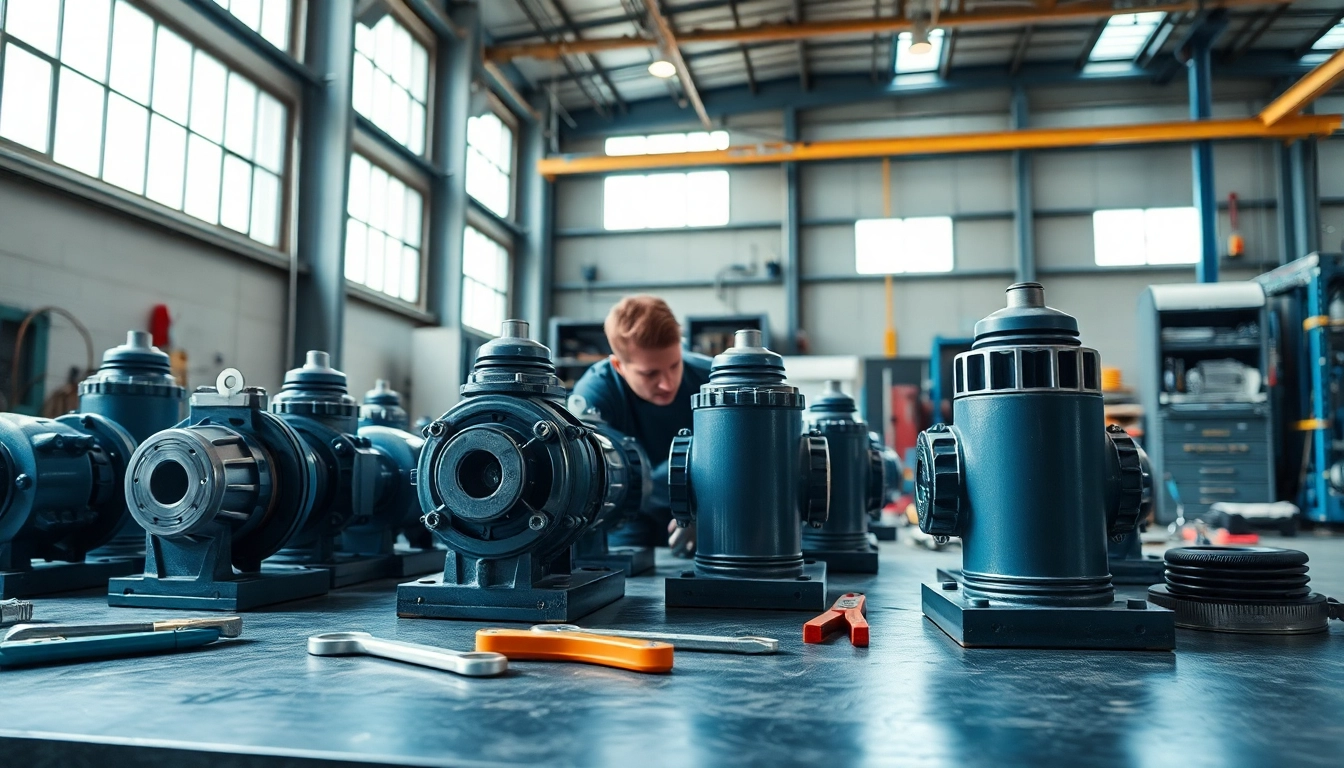
Hydraulic pumps are devices that convert mechanical energy into hydraulic energy by moving fluid through an external circuit. These pumps are crucial components of hydraulic systems, functioning to create fluid flow that powers various machinery and equipment. There are several types of hydraulic pumps, each designed for specific applications, including gear pumps, piston pumps, and vane pumps. Each type operates under different principles and is suited to different pressure and flow requirements.
Importance of Regular Maintenance
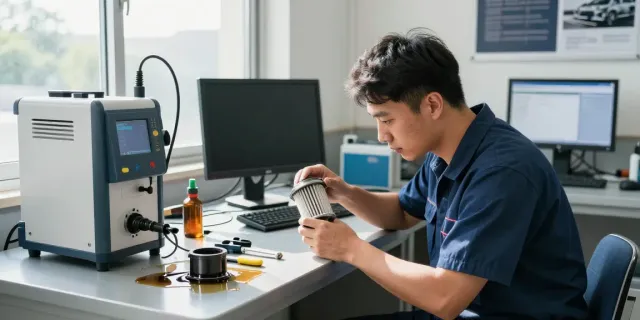
Regular maintenance of hydraulic pumps is not just a best practice; it is essential for operational longevity and effectiveness. Over time, hydraulic pumps can accumulate dirt, dust, and fluid contaminants that can lead to wear and tear, decreased efficiency, and ultimately, failure. Scheduled maintenance helps in identifying potential problems early and ensures that the hydraulic pump operates within optimal parameters. Tasks such as checking fluid levels, replacing filters, and inspecting seals play critical roles in maintaining the system's integrity and performance.
Types of Hydraulic Pump Services
Hydraulic pump services encompass a variety of offerings designed to maintain and enhance pump performance. These include:
- Routine Maintenance: Scheduled checks and servicing to prevent unexpected failures.
- Repairs: Addressing specific issues such as leaks, unusual noises, or lowered efficiency.
- Overhauls: Complete disassemble and refurbishment to restore brand-new functionality.
- Installation: Expert setup and commissioning of new hydraulic pumps, ensuring compliance with manufacturer specifications.
- Consultation: Professional advice on hydraulic system design and optimization.
Common Issues with Hydraulic Pumps
Despite their robust design, hydraulic pumps can encounter various operational issues that can hamper their efficiency. Understanding these issues is crucial for timely intervention.
Identifying Operational Problems
Being proactive is key to avoiding costly repairs. Common operational problems include:
- Decreased Pressure: This might indicate leaks or internal damage.
- Increased Noise Levels: Unusual sounds could suggest cavitation or mechanical wear.
- Fluid Contamination: Dirty hydraulic fluid can damage internal components and lead to system failure.
Symptoms of Hydraulic Pump Failure
Identifying early symptoms can make a massive difference in preventing catastrophic failures. Key indicators may include:
- Fluctuating Pressure Readings: This can signal that the pump is not generating enough flow.
- Overheating: Excessive heat points to inefficiencies in the pump or lack of proper lubrication.
- Excessive Vibration: This might be a sign of misalignment or imbalance within the pump assembly.
Preventative Measures for Longevity
Ensuring the longevity of hydraulic pumps involves implementing various preventative strategies. Regular fluid changes, routine filter replacements, and proper environmental controls can mitigate risks and enhance operational efficiency. Additionally, keeping meticulous records of maintenance can help in predicting future servicing needs based on historical data.
Best Practices for Hydraulic Pump Services
Effective hydraulic pump services are characterized by a systematic approach that maximizes both performance and reliability.
Scheduled Maintenance Programs
Establishing a scheduled maintenance program tailored to the specific needs of your hydraulic systems can vastly improve their reliability. Depending on operating conditions, a maintenance schedule should ideally cover:
- Periodic inspections (quarterly or annually)
- Fluid analysis to check for contamination
- Routine parts replacement as per manufacturer's guidelines
Quality Checks and Inspections
Routine quality checks are instrumental in maintaining hydraulic pump performance. Inspections should include visual checks for leaks, thermal imaging to spot overheating components, and vibration analysis to assess wear patterns. These practices help in revealing issues before they escalate into more severe problems.
Repairs vs. Replacement: Determining Needs
Assessing whether to repair or replace a hydraulic pump requires a thorough understanding of the symptoms and a cost-benefit analysis. Key considerations include:
- Age and history of the pump
- Cost of potential repairs versus new pump costs
- Performance efficiency post-repair
Engaging experts can assist in making informed decisions that optimize both cost and performance outcomes.
Maximizing Efficiency Through Hydraulic Pump Services
Increasing the efficiency of hydraulic systems is vital for reducing operational costs and enhancing productivity. Understanding how to tune and modify your hydraulic systems can lead to significant gains.
Tuning for Optimal Performance
Tuning hydraulic pumps involves adjusting parameters like pressure and flow rates to achieve optimal operational efficiency. Techniques include calibrating hydraulic controls, adjusting pump specifications, and ensuring the right fluid levels. Customizing tuning based on specific application demands can enhance overall performance.
Integrating Technology into Services
Modern hydraulic pump services benefit greatly from technological advancements. Incorporating IoT devices and monitoring tools can facilitate real-time tracking of hydraulic systems and early detection of failures. Such innovations not only streamline maintenance efforts but also optimize pump performance through data analytics.
Cost-Benefit Analysis of Pump Services
Understanding the financial implications of hydraulic pump services is vital. Businesses need to balance the costs of regular services against the potential costs associated with pump failures. Conducting a thorough cost-benefit analysis can reveal how investing in quality hydraulic pump services not only minimizes downtimes but also maximizes productivity in the long run.
FAQs about Hydraulic Pump Services
What services do you offer for hydraulic pumps?
We provide maintenance, repair, and installation services to ensure optimal performance of hydraulic pumps.
How often should hydraulic pumps be serviced?
Hydraulic pumps typically require servicing every 6 to 12 months, depending on usage and operating conditions.
What are common signs of hydraulic pump problems?
Common signs include unusual noises, fluctuating pressure, and overheating, which should be addressed immediately.
Can hydraulic pump services prevent breakdowns?
Yes, regular servicing can identify potential issues early, significantly reducing the risk of sudden failures.
What should I do if my hydraulic pump fails?
If a pump fails, contact a professional for emergency assessments and repairs to restore functionality quickly.
Contact Information
Call Us: 780.452.2876Email: [email protected]Address: 13111 159 Street Edmonton, AB T5V 1H6