Introduction to Forklift
The forklift is a crucial piece of equipment in various industries, widely recognized for its efficiency in handling materials and transporting goods within warehouses, production facilities, and construction sites. While its function seems simple, the mechanics and operational standards behind forklifts require comprehensive knowledge and training to ensure safety and productivity. In this article, we will delve into the complexities of forklifts, exploring their types, safety practices, maintenance, and extensive applications across different sectors.
What is a Forklift?
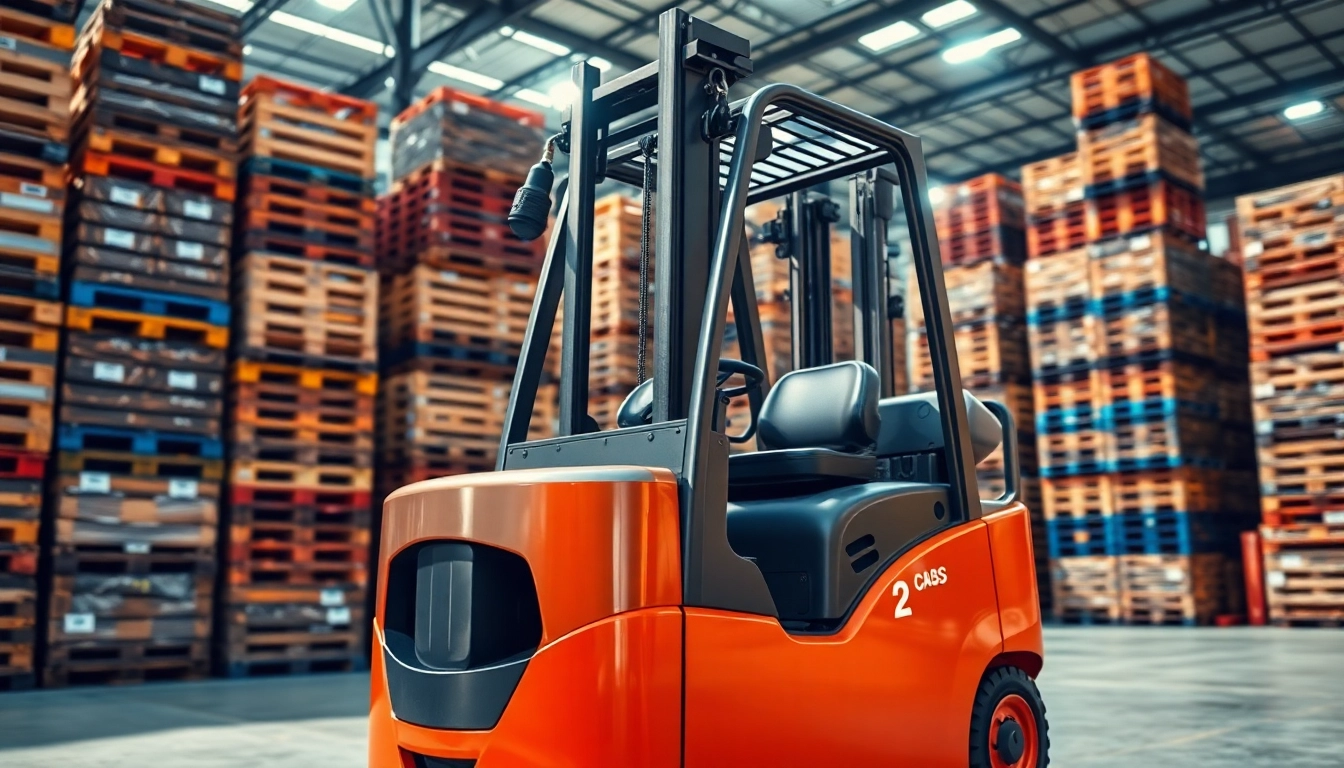
A forklift, also known as a lift truck, industrial truck, or fork truck, is a powered industrial vehicle specifically designed to lift and transport heavy loads. The fundamental advantage of a forklift lies in its ability to navigate through tight spaces and lift heavy materials, enhancing workflow in various operational settings. Forklifts can come in various forms, each tailored for different operational needs and environments, from electric models used in warehouses to internal combustion models suited for outdoor conditions.
Key Components of a Forklift
Understanding the key components of a forklift is vital for effective operation. These include:
- Mast: The vertical assembly that raises and lowers the load.
- Forks: The prongs extending from the mast that support the load.
- Drive Wheels: Propel the forklift; can be powered by electric motors or internal combustion engines.
- Operator's Cabin: The space where the operator controls the forklift.
- Counterweight: Heavy weight situated at the rear of a forklift that balances the load carried at the front.
- Hydraulic System: Enables lifting and lowering of loads through hydraulic power.
Importance of Forklift in Industries
Forklifts are indispensable components in industries such as manufacturing, construction, and warehousing. They not only increase productivity by speeding up material handling processes but also reduce manual labor costs and occupational strain on workers. Their versatility allows for the transport of various items, from pallets and boxes in a warehouse to heavy machinery parts on construction sites. Ultimately, the use of forklifts improves efficiency and safety standards across operational workflows.
Types of Forklift Available
With advancements in technology and varying operational needs, various types of forklifts have emerged. Each type is designed for specific tasks and environments, enhancing functionality and workflow efficiency.
Electric Forklift
Electric forklifts are powered by batteries and are known for their low emissions and quiet operation, making them ideal for indoor environments. They are particularly useful in warehouses where air quality is essential. Electric models come in various designs, such as three-wheel and four-wheel configurations, each serving different operational purposes.
Internal Combustion Forklift
Internal combustion forklifts utilize gasoline, diesel, or propane as their power source. These forklifts are typically more powerful than electric ones, allowing them to handle heavier loads. They are suited for outdoor applications, such as construction sites and lumber yards, where rough terrain presents a challenge.
Rough Terrain Forklift
Rough terrain forklifts are specifically designed to navigate uneven surfaces and outdoor settings. Equipped with larger tires and enhanced suspension, they can traverse rugged landscapes while carrying significant weight. They often come with higher lifting capabilities and durability for challenging tasks found on job sites.
Safety Practices with Forklift
Safety is paramount when it comes to operating forklifts. Implementing effective safety practices can significantly reduce the risk of accidents and ensure proper operational compliance.
Pre-Operational Checks
Before operating a forklift, conducting pre-operational checks is essential. This includes verifying that the forklift is in good working condition, checking fluid levels, inspecting brakes, lights, and warning devices, and ensuring that forks and other attachments are secure. Regular pre-checks can help prevent accidents related to equipment malfunctions.
Safe Operating Procedures
Operational safety procedures should be established and adhered to by all forklift operators. These include:
- Always wearing a seatbelt when operating the forklift.
- Maintaining a clear line of sight when driving.
- Never exceeding the rated capacity of the forklift.
- Using horns to alert pedestrians of the forklift's presence.
- Staying clear of unprotected edges when traveling on elevated spaces.
Training Requirements for Forklift Operators
Effective training is crucial for forklift operators to ensure they understand safe usage practices. Training should cover equipment operation, hazard recognition, and safe practices, adhering to regulations set forth by safety organizations. Certification must be obtained for operators, which includes classroom instruction and practical training sessions.
Maintenance Tips for Forklift
Regular maintenance of forklifts is essential to ensure their longevity and efficiency. Implementing a maintenance program can help minimize downtime and repair costs.
Regular Inspections
Conducting regular inspections is vital in identifying wear and tear on the forklift. Operators should perform daily checklist inspections focusing on safety features, functionality of brakes, steering, visibility from the operator’s seat, and the condition of the tires. Scheduled professional inspections should also be carried out periodically as recommended by the manufacturer.
Battery Care for Electric Forklift
For electric forklifts, proper battery care is crucial. Regularly check fluid levels and keep terminals clean to prevent corrosion. Ensure that the battery is charged appropriately and never overdischarged, which can significantly impact its lifespan. Develop a maintenance schedule that includes routine fluid levels checks and overall battery health assessments.
Common Repairs and When to Seek Help
Common repairs for forklifts may include brake issues, hydraulic problems, and battery replacements. Operators should be aware of unusual sounds or changes in machine performance. If they encounter problems they cannot resolve, it is essential to consult a qualified technician promptly to avoid compromising safety and productivity.
Forklift Applications Across Industries
Forklifts serve a multitude of applications across various industries, each with its own unique demands and functions.
Warehouse and Storage
In warehouse and storage settings, forklifts are indispensable for moving goods and materials from one location to another. They play a critical role in order fulfillment, inventory management, and maximizing storage space by ensuring efficient stacking and retrieval of products.
Construction Sites
Construction sites utilize forklifts to transport heavy materials, equipment, and tools across uneven terrains. Their ability to raise loads to significant heights provides essential support in tasks like steel structures erection, material hoisting, and debris clearing, making them invaluable in construction operations.
Manufacturing Operations
Manufacturing operations depend heavily on forklifts for material handling at various stages of production. Whether transporting raw materials to assembly lines or moving finished products to shipping areas, forklifts streamline workflow while enhancing productivity on the factory floor.
Frequently Asked Questions (FAQs)
What are the three types of forklifts?
The three primary types of forklifts are electric motor rider forklifts, internal combustion cushion tire forklifts, and electric motor narrow aisle forklifts such as reach trucks and order pickers, each serving distinct operational needs.
Can a forklift lift 10,000 pounds?
Yes, medium telehandler forklifts can lift between 10,000 pounds and 20,000 pounds, suitable for medium-duty to heavy-duty jobs, particularly in construction and industrial applications.
What is the highest pay for a forklift job?
Top forklift jobs can yield salaries up to $50,000 annually. These roles often involve physical labor and responsibilities such as equipment maintenance and inventory management.
What is the average lifespan of a forklift?
The average lifespan of a forklift ranges from 10,000 to 15,000 working hours. With proper maintenance, an effective operational regimen, and timely updates, some can last even longer.
How can I ensure I am operating a forklift safely?
To operate a forklift safely, perform pre-operational checks, abide by safety protocols, undergo proper training, and remain vigilant of your surroundings while driving the forklift.