Understanding the Importance of Commercial Solar Maintenance in New Jersey
In recent years, the demand for solar energy has been soaring, particularly among commercial enterprises looking to reduce energy costs and lower their environmental impact. However, owning solar panels also comes with responsibilities, the most significant being maintenance. Regular upkeep is essential to ensure that the investment in solar technology continues to yield optimal returns. Additionally, the risks associated with neglecting solar system maintenance can lead to decreased performance and increased operating costs. Thus, understanding the importance of commercial solar maintenance New Jersey should be prioritized by every business owner invested in solar energy.
Benefits of Regular Maintenance
Engaging in regular solar panel maintenance can lead to numerous benefits for commercial establishments: 1. Extended Lifespan of Equipment: Maintaining solar panels and associated equipment ensures they can operate at peak efficiency for their intended lifespan, often 25 years or more. 2. Increased Energy Production: Clean and well-maintained solar panels generate significantly more power. Dust, debris, and grime can obstruct sunlight, causing reduced output and, consequently, reduced overall efficiency. 3. Cost Savings: Regular inspections and maintenance help identify potential issues early, preventing costly repairs down the line. This proactive approach aids in maintaining healthy energy bills. 4. Environmental Compliance: Many businesses face regulations regarding energy consumption and environmental impact. Proper solar maintenance ensures adherence to these regulations, thereby avoiding fines and reputational damage.
Impact on Energy Efficiency
Energy efficiency is the primary reason many businesses invest in solar technology. Regular maintenance plays a crucial role in this aspect. A well-maintained solar system can improve energy efficiency in several ways: - Optimal Performance: By ensuring that all components, including inverters and batteries, are functioning correctly, businesses can maximize performance and energy production. - Monitoring System Performance: Routine checks and performance monitoring allow for timely adjustments to system configurations based on real-time data, which is critical for energy efficiency. - Avoidance of Performance Degradation: Just as human bodies require regular check-ups, solar panels also need consistent evaluations to prevent performance degradation due to wear and tear.
Cost-Effectiveness of Maintenance Services
Investing in maintenance services may seem like an additional cost initially, but when viewed through the lens of return on investment (ROI), it is a financially sound decision. Here’s why: - Reduced Operational Costs: By preventing breakdowns and extending the lifespan of the solar system, regular maintenance reduces the overall operational costs associated with energy production. - Increased Property Value: Buildings that incorporate sustainable technologies, like well-maintained solar panels, are often valued higher in the real estate market. This is because future buyers appreciate the reliability and reduced energy costs of such upgrades. - Tax Benefits: In many jurisdictions, businesses can receive tax deductions or credits for maintaining systems that generate renewable energy. Thus, proper maintenance can contribute to significant financial relief during tax season.
Key Components of Commercial Solar Maintenance in New Jersey
To ensure that commercial solar systems perform optimally, several key components should be included in any maintenance plan:
Inspection and Cleaning Procedures
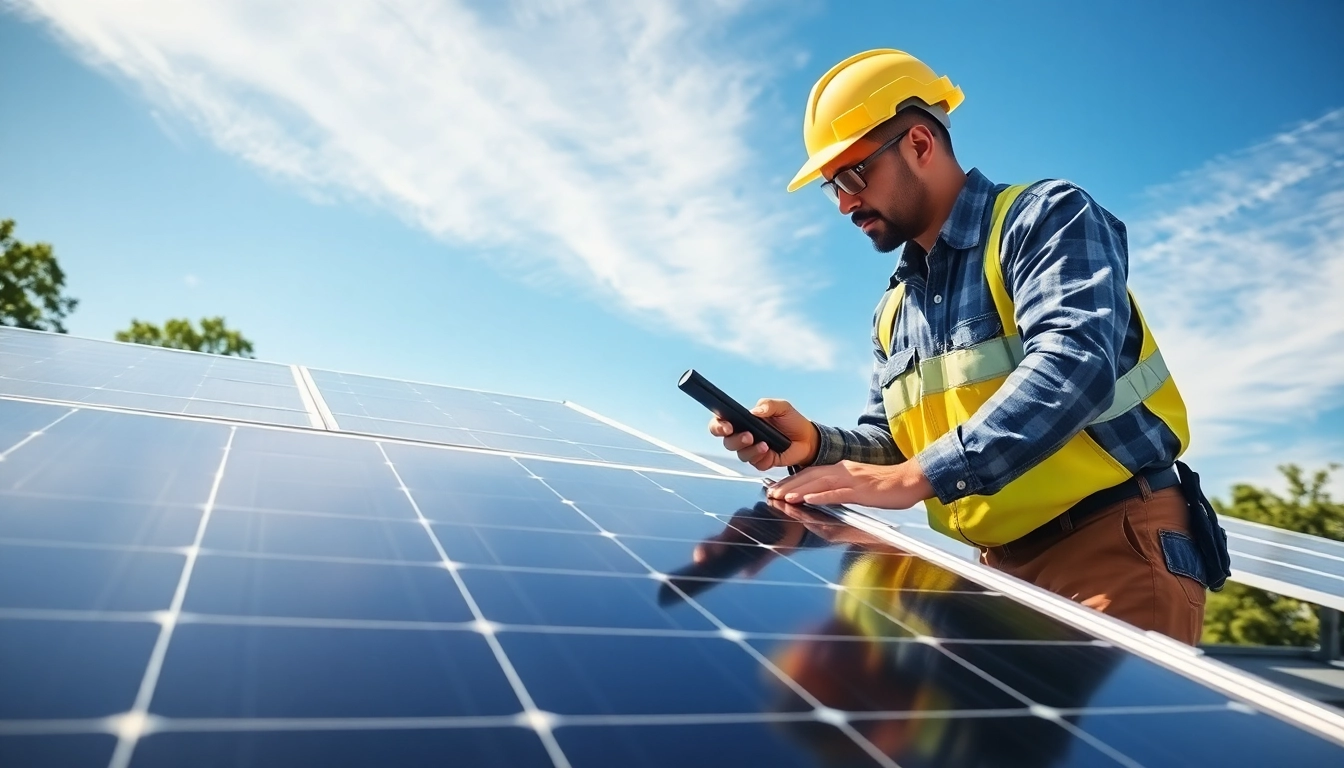
Routine inspections and cleanings are foundational to any maintenance regimen. Here’s what these typically involve: - Visual Inspection: Technicians need to check solar panels for visible damage, such as cracks or broken glass, which can significantly impact performance. - Electrical System Check: All connections, including wiring and inverters, must be assessed for effectiveness. Faulty connections can sabotage energy production and pose safety risks. - Physical Cleaning: Dust, dirt, and debris can block sunlight from reaching solar panels. Regular cleaning—recommended at least twice a year—ensures maximum energy absorption.
Monitoring System Performance
In today’s tech-driven society, monitoring systems play a significant role in identifying performance issues. Effective performance monitoring includes: - Data Analytics: By utilizing software to analyze energy production data, businesses can gain insights into efficiency and identify patterns that may indicate a problem. - Real-time Alerts: Many modern solar systems come with monitoring apps that notify owners of drops in power production, enabling quick responses to any discrepancies.
Identifying Common Issues
Having the expertise to identify common issues early on can save businesses substantial amounts of money. Some common problems include: - Inverter Failures: The inverter is a crucial component that converts direct current from the solar panels into alternating current for use in homes or businesses. If it fails, energy production halts. - Connection Issues: Loose or damaged connections can lead to energy loss and increased fire hazards. - Panel Damage: Weather-related damage or physical impacts can significantly affect a solar panel’s performance.
Choosing the Right Maintenance Plan for Your Business
Selecting a maintenance plan tailored to the specific needs of your business is vital for ensuring that your solar investment pays off. Here are some pointers to keep in mind:
Evaluating Service Providers
Not all solar maintenance service providers are created equal. Consider the following when evaluating potential providers: - Experience and Expertise: Look for companies that have a track record of servicing similar commercial solar systems, as they will be equipped with the skills necessary for troubleshooting. - Client Reviews: Testimonials and reviews offer valuable insights into a company's reliability and quality of service.
Customization Based on Energy Needs
Every business has unique energy requirements. Therefore, maintenance plans should not only be standard, but also customized according to: - System Size: Larger installations may require more frequent maintenance compared to smaller systems. - Energy Usage Patterns: Understanding consumption trends can help tailor services that ensure optimal energy efficiency.
Understanding Maintenance Contracts
Before entering into a maintenance contract, it's essential to clarify key details such as: - Scope of Services: Make sure the services offered align with your specific needs, from cleaning to full system inspections. - Costs Involved: Ensure transparency in pricing to avoid unexpected charges, and inquire if a flat-rate or pay-per-service model is more suited to your budget.
Best Practices for Commercial Solar Maintenance in New Jersey
Successful maintenance of solar systems isn’t merely about reactive measures; proactive strategies hold the key to longevity and efficiency.
Creating a Maintenance Schedule
Scheduling annual or bi-annual maintenance appointments can ensure that the solar system remains in optimal condition. Key aspects of an effective schedule include: - Seasonal Considerations: Plan for maintenance before extreme weather events, such as storms or snow, which can lead to unforeseen damages. - Regular Review: Implementing a schedule that includes periodic assessments allows for ongoing adjustments based on system performance and efficiency.
Integrating Technology for Efficiency
Technology can provide significant advantages in the maintenance of solar systems. Consider: - Remote Monitoring Systems: These allow service providers to keep track of system health from afar, reducing the frequency of onsite visits. - Predictive Maintenance Technologies: Leveraging AI and data analytics can pinpoint potential failures before they occur.
Training Staff for Basic Maintenance Tasks
Empowering your employees with the knowledge to handle basic maintenance tasks can contribute to system longevity. Observable staff training includes: - Basic Cleaning Protocols: Staff can be trained to handle minor maintenance tasks, such as cleaning solar panels and monitoring their condition. - Usage of Monitoring Tools: Familiarizing employees with monitoring systems can lead to quicker identification of potential issues.
Frequently Asked Questions about Commercial Solar Maintenance in New Jersey
How often should commercial solar panels be maintained?
Routine maintenance is recommended at least twice a year to ensure optimal performance and longevity.
What factors affect solar panel maintenance frequency?
Location, environmental conditions like dust, and panel orientation influence maintenance needs.
Are there any signs that solar panels need maintenance?
Decreased energy output, visible dirt, or physical damage are indicators of the need for maintenance.
What costs are associated with commercial solar maintenance?
Costs vary based on services provided but generally include inspection fees, cleaning, and repairs.
Can maintenance improve solar panel efficiency?
Yes, regular maintenance enhances efficiency by ensuring panels are clean and functioning properly.