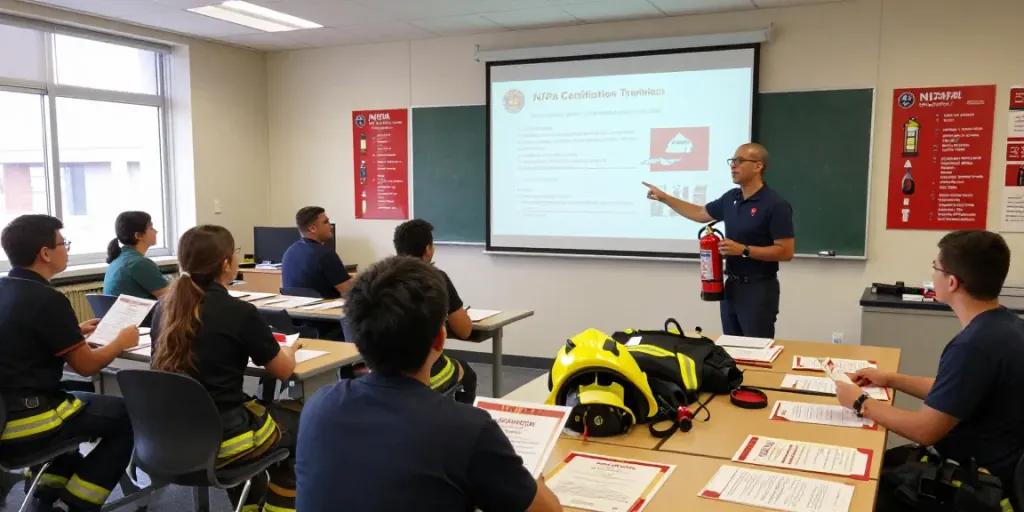
Understanding NFPA Certification Training Fundamentals
In the realm of fire safety, NFPA Certification Training stands as a beacon for professionals striving to enhance their understanding and application of fire safety standards. The National Fire Protection Association (NFPA) has dedicated over 125 years to protecting the public and minimizing the loss caused by fire and electrical hazards. This training is crucial for those who aim to adhere to the highest safety protocols within their respective fields, ensuring compliance and fostering a culture of safety within organizations. When exploring options, NFPA Certification Training provides comprehensive insights into essential fire safety practices, risk management, and emergency response strategies that are vital for a safer workplace.
What Is NFPA Certification Training?
NFPA Certification Training includes a variety of educational programs aimed at enhancing the skills and knowledge necessary to prevent fire-related incidents effectively. This training encompasses both theoretical knowledge and practical application of safety measures, focusing on disciplines such as fire prevention, electrical safety, and emergency response. By obtaining NFPA certification, professionals are equipped to implement best practices and ensure that their organizations comply with existing fire safety regulations, further contributing to a safer environment.
Importance of Fire Safety Education
Fire safety education is paramount for both individuals and organizations. It equips participants with the necessary skills to identify potential hazards, react appropriately in emergencies, and implement preventive measures that can save lives and protect property. Moreover, in industries where combustible materials are prevalent, enhanced fire safety training is not just beneficial but essential. Companies investing in NFPA training experience reduced incidents, improved employee morale, and enhanced compliance with fire safety regulations.
Key Requirements for Certification
To achieve NFPA certification, candidates typically need to fulfill certain prerequisites, which may include previous safety training, relevant work experience, and successful completion of designated coursework. Each certification pathway may have unique requirements tailored to specific roles within fire protection, including but not limited to Certified Fire Protection Specialist (CFPS) and Fire Inspector certifications. Candidates should prepare for written examinations and practical assessments that validate their knowledge and skills in fire safety.
Common Misconceptions About NFPA Certification Training
Myths Surrounding Training Costs
One prevalent misconception is that NFPA certification training is prohibitively expensive. While some may see the cost as a barrier, it's vital to recognize that investing in fire safety education can lead to substantial savings by reducing accidents and enhancing compliance. Many training providers, including Burraq Business Consulting, offer tailored programs that accommodate various budgets and can yield a significant return on investment through improved workplace safety.
Duration and Time Commitment Misunderstandings
Another common myth is that NFPA certification training demands an excessive time commitment. In reality, many programs are designed with flexibility in mind, offering options for on-site training and online courses. This allows organizations to train their employees without disrupting daily operations. Moreover, the time invested in training is minor compared to the potential risks of being unprepared for fire-related emergencies.
Challenges in Online vs. In-Person Training
Some professionals believe that online training lacks the effectiveness of in-person sessions. However, current technologies have enabled virtual training platforms to deliver comprehensive and engaging learning experiences. While both formats have their pros and cons, the choice often depends on the organization’s environment and the specific needs of the employees. Blended training models that combine online theoretical components with practical in-person sessions are becoming increasingly popular.
Best Practices for Successful NFPA Certification Training
Choosing the Right Training Provider
Selecting a reputable training provider is crucial for ensuring the quality of NFPA certification training. Organizations should seek providers with a proven track record and robust course offerings that align with industry standards. Trainers should be NFPA-certified professionals who can provide insightful, real-world applications of the course material.
Engaging Learning Techniques and Materials
Effective training goes beyond rote memorization. Incorporating interactive learning techniques, such as simulations and hands-on demonstrations, can significantly enhance understanding and retention of fire safety concepts. Utilizing diverse training materials, including videos, case studies, and group discussions, can keep participants engaged and eager to learn.
Integrating Practical Assessments
Incorporating practical assessments into the training program allows participants to demonstrate their understanding and application of the material. This may include hands-on drills, emergency response simulations, or real-world scenario analyses that evaluate readiness and effectiveness in fire safety practices. Feedback from these assessments is invaluable for both students and instructors, guiding further training improvements.
Real-World Applications of NFPA Certification
Case Studies of Successful Implementation
Many organizations that have integrated NFPA certification training into their safety protocols have reported significant improvements in workplace safety. For example, a manufacturing company that trained its employees in fire prevention techniques saw a 40% reduction in fire incidents over two years. Another case involved a healthcare facility that successfully implemented emergency response procedures, significantly reducing the time required to address fire alarms and enhancing patient safety.
Enhanced Workplace Safety Outcomes
The benefits of NFPA certification training extend beyond compliance; they create a culture of safety within organizations. Employees who are well-trained in fire safety practices are more confident and proactive in identifying hazards and responding to emergencies. This not only fosters a safer working environment but also contributes to employee satisfaction and retention.
Industry-Specific NFPA Training Adaptations
Different industries require tailored approaches to fire safety training. For example, the construction industry may focus on hazard identification and emergency evacuation procedures, while the healthcare sector emphasizes dealing with fire risks in patient care areas. NFPA certification can be adapted to meet these specific needs, ensuring that employees receive relevant, practical training that enhances their effectiveness in their respective sectors.
Future Trends in NFPA Certification Training for 2026 and Beyond
Emerging Technologies in Fire Safety Training
As technology continues to evolve, the field of fire safety training is also adapting. Innovations such as virtual reality (VR) and augmented reality (AR) are making it possible to simulate real-life fire scenarios, providing trainees with immersive experiences that enhance learning. These technologies enable individuals to practice their response to emergencies in a controlled environment, significantly improving their preparedness.
Shifts in Regulatory Requirements
As fire safety regulations evolve, so too must the training programs designed to meet them. Anticipating these changes and adapting training content will be key for training providers and organizations. Staying informed about new regulations and guidelines will ensure that certificate holders maintain compliance and uphold the highest safety standards.
Global Perspectives on Fire Safety Standards
As businesses increasingly operate on a global scale, understanding international fire safety standards becomes crucial. Organizations must be aware of the differing regulations in various countries and regions. Adapting NFPA training programs to include these perspectives will enhance the value of certification and prepare professionals for challenges in a globalized market.
How do I become NFPA certified?
To become NFPA certified, individuals should first select their desired certification path based on their professional goals and current qualifications. This often involves completing required coursework, passing examinations, and meeting any specific prerequisite criteria set forth by the certification body.
Are NFPA certifications worth it?
Yes, NFPA certifications are considered highly valuable by employers in the fire safety industry. They demonstrate a professional's commitment to safety, compliance, and ongoing education, which are critical attributes in today’s safety-conscious work environments.
How long does it take to get NFPA certification?
The time required to obtain NFPA certification varies based on the specific certification path and the individual’s prior knowledge and experience. Typically, individuals can complete necessary coursework and preparation in a matter of weeks or months, depending on the training format selected.
How much does NFPA certification cost?
Costs associated with NFPA certification can vary significantly based on the training provider, the type of certification, and whether the training is delivered online or in-person. However, many organizations view this expenditure as a worthwhile investment in their employees’ safety education.
What resources are available for NFPA training?
Numerous resources are available for those seeking NFPA training, including online courses, workshops, and in-person training sessions offered by certified providers. Additionally, NFPA publications and guidelines are invaluable for those looking to deepen their understanding of fire safety standards.