In today’s world, vehicle security has become a crucial concern due to increasing theft rates and accidents. As a solution, many vehicle owners are turning to Insurance approved trackers to enhance their vehicle's safety. These devices not only assist in theft recovery but can also lead to significant insurance savings and peace of mind for the driver. This article will explore the various aspects of insurance approved trackers: what they are, how they function, their benefits, and practical advice on choosing the right one.
Understanding Insurance Approved Trackers
What Are Insurance Approved Trackers?
Insurance approved trackers are devices that monitor real-time location data of vehicles. These trackers are endorsed by insurance companies and meet specific standards set forth by automotive security organizations. They serve dual purposes: enhancing vehicle security and potentially reducing premiums for responsible drivers. When a tracker is recognized as insurance approved, it indicates a level of trust from insurers, making it a valuable asset for vehicle owners.
How Do They Work?
Insurance approved trackers utilize GPS technology to provide accurate location data. The device sends this data to a central server at regular intervals, which can then be accessed by the vehicle owner and the insurance company if necessary. In case of a theft, the tracker allows for quick recovery operations, as law enforcement can pinpoint the vehicle's location. Many modern trackers also offer additional features, such as geofencing alerts, which notify the owner if their vehicle leaves a designated area.
Why They Matter for Vehicle Safety
Investing in an insurance approved tracker is essential for enhancing vehicle safety. These devices play a significant role in reducing theft figures, as many thieves target vehicles without tracking systems. An insurance approved tracker not only raises the chance of recovering stolen vehicles but also serves as a deterrent to potential thieves. Furthermore, the data collected can help insurance companies assess the risk associated with insuring a particular vehicle, leading to more fair premium pricing based on driving behavior.
Benefits of Using Insurance Approved Trackers
Insurance Premium Discounts and Savings
One of the most significant advantages of installing an insurance approved tracker is the potential for premium discounts. Many insurance companies offer incentives for drivers who monitor their driving habits through these devices. Safe driving can be rewarded with lower premiums, providing not only financial benefits but also encouraging responsible habits behind the wheel.
Enhanced Theft Recovery Rates
Statistics indicate that vehicles equipped with GPS trackers are recovered at much higher rates than those without. In the unfortunate event of theft, the quick access to real-time data facilitates efficient recovery actions, minimizing losses for both the vehicle owner and the insurance provider. Insurance approved trackers significantly enhance the likelihood of swift recovery thanks to their advanced technology.
Real-time Location Tracking
Another key benefit is the real-time tracking capability. Vehicle owners can access their vehicle’s location from their smartphone, providing peace of mind and convenience. In addition to theft recovery, this feature can also be useful for families to keep track of young drivers, ensuring they stay safe and adhere to agreed driving terms.
Choosing the Right Insurance Approved Tracker
Assessing Your Vehicle Needs
Choosing the correct insurance approved tracker starts with assessing your specific needs. Consider factors such as the vehicle’s make and model, its value, and how it is used. For example, a commercial vehicle may require a more sophisticated tracking solution than a personal vehicle. Understanding your requirements will help you narrow down options to those that will provide the best security and value for your investment.
Key Features to Look For
When evaluating different insurance approved trackers, pay attention to critical features such as:
- Continuous tracking capability
- Geofencing alerts
- Battery life and power sources
- Customer service and support
- Installation options
Ensure the tracker you choose includes robust features that align with your expectations for security and usability.
Comparing Options on the Market
It is advisable to research various brands and models of insurance approved trackers. Look for reliable reviews and ratings, focusing on factors like user experience, durability, and warranty. Take advantage of comparison tools provided by consumer advocacy websites to understand the pros and cons of each option thoroughly. This market research allows you to make an informed decision that meets your specific needs and budget.
Installing Your Insurance Approved Tracker
DIY vs. Professional Installation
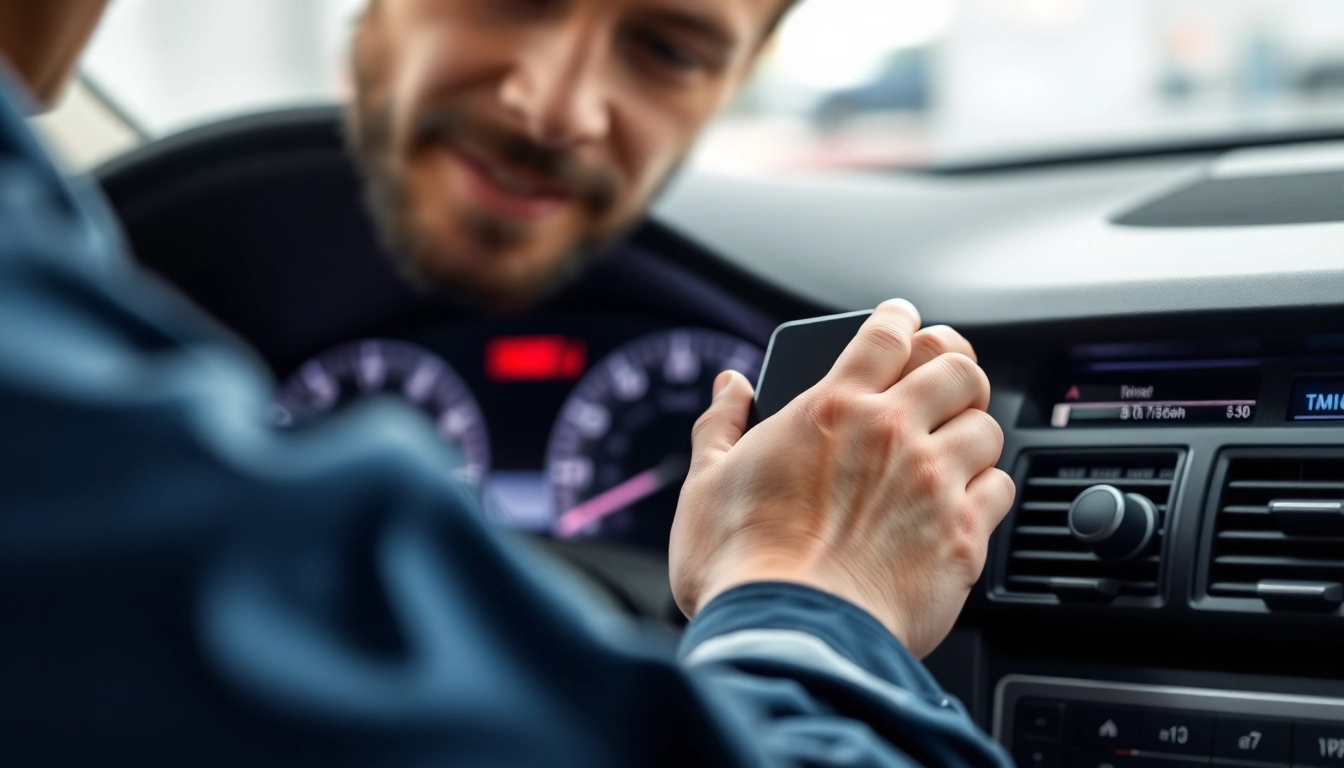
Another crucial aspect of implementing an insurance approved tracker is the installation process. Many devices offer a DIY option, enabling users to install the tracker themselves. However, for those who are less tech-savvy or want to ensure a seamless installation, opting for a professional service can be a worthwhile investment. Professional installers can guarantee that the device is set up correctly and functioning optimally.
Installation Tips and Best Practices
If you choose the DIY route, consider the following tips:
- Read the manual thoroughly before beginning
- Ensure the device is installed in a location where it will not interfere with the vehicle's operations
- Perform a test run after installation to ensure proper functionality
Following these guidelines will help ensure your tracker is effectively protecting your vehicle.
Post-Installation Maintenance
Once installed, it is essential to maintain your insurance approved tracker. Regularly check for software updates and ensure that the device operates correctly. Also, ensure that the power source is intact if the tracker relies on a battery. Keeping your device maintained will prolong its usability and ensure continued coverage in case of theft.
Frequently Asked Questions
Are insurance approved trackers worth it?
Yes, they are worth the investment. They enhance vehicle security, increase theft recovery rates, and can lead to substantial insurance discounts.
What are the best features to look for in a tracker?
Look for real-time tracking, geofencing alerts, long battery life, and strong customer service support for optimal performance.
How do trackers affect car insurance premiums?
Insurance approved trackers often lead to lower premiums as they provide evidence of responsible driving and vehicle safety, rewarding safer drivers.
Can I install a tracker myself?
Yes, many insurance approved trackers allow for DIY installation. Just ensure you follow the provided instructions for best results.
What happens if my tracker gets damaged?
If your tracker is damaged, consult the manufacturer's warranty options. Most companies provide replacement services in case of functional issues.