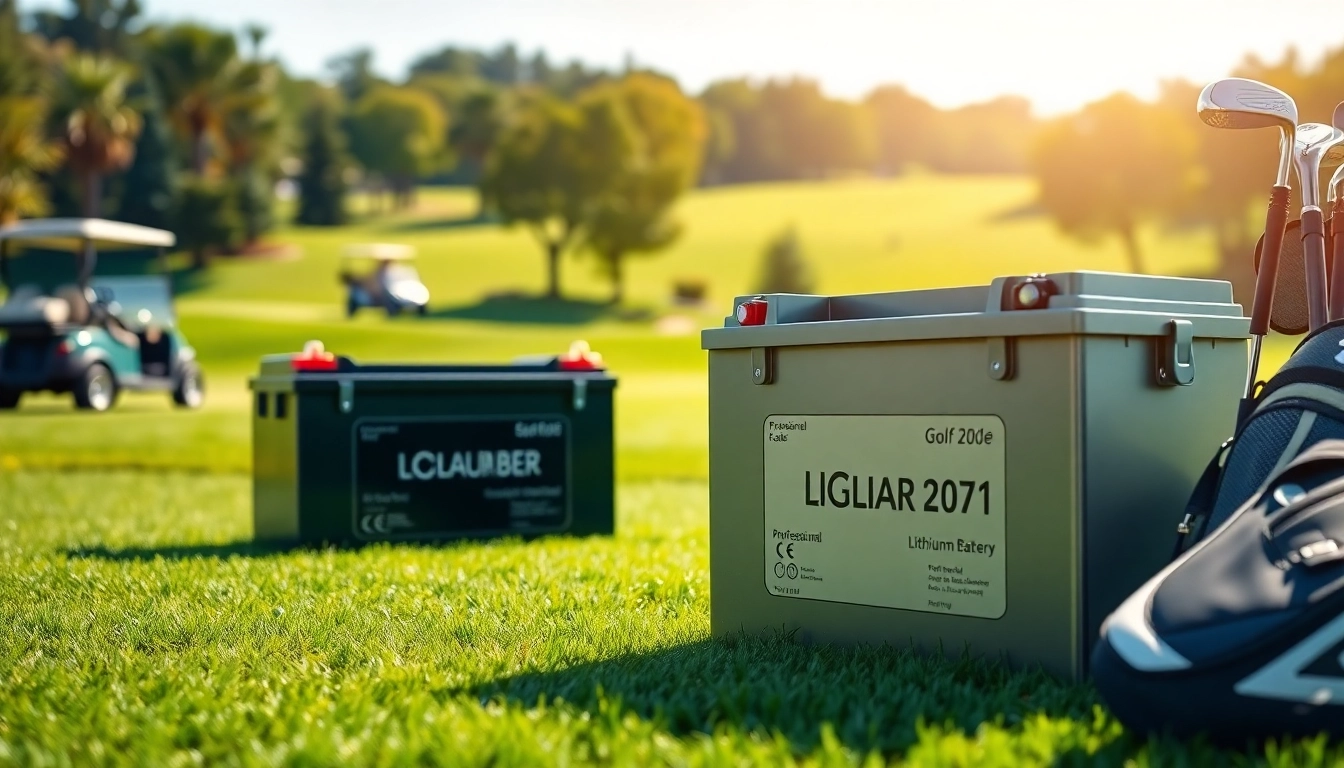
Introduction to Lithium Golf Cart Batteries
The world of golf carts has evolved significantly over recent years, and a key player in this transformation is the adoption of lithium golf cart batteries. These advanced power sources promise exceptional performance and efficiency, making them a popular choice for golf cart enthusiasts who desire reliable and long-lasting battery solutions. In this article, we will explore everything you need to know about lithium golf cart batteries, from their specifications to benefits, installation, maintenance, and much more.
What are Lithium Golf Cart Batteries?
Lithium golf cart batteries are high-performance energy storage units comprised of lithium-ion or lithium iron phosphate (LiFePO4) technologies. Unlike traditional lead-acid batteries, these modern batteries provide greater energy density and efficiency. Golf cart owners choose lithium batteries for their lighter weight, longer lifespan, and faster charging capabilities, making them an ideal choice for various applications.
Benefits of Lithium Golf Cart Batteries
The benefits of using lithium golf cart batteries are numerous and compelling:
- Long Lifespan: Lithium batteries can last more than 5,000 charge cycles, significantly outpacing traditional lead-acid options.
- Fast Charging: They are capable of charging in a fraction of the time compared to lead-acid batteries, offering more time on the course.
- Weight Savings: Lithium batteries are lighter, which can enhance the performance of the golf cart.
- Low Maintenance: They require less upkeep, as there is no need for regular water top-ups or equalization charging.
- Enhanced Safety: With built-in Battery Management Systems (BMS), they offer safety against overcharging, overheating, and short circuits.
Difference Between Lithium and Lead-Acid Batteries
The primary differences between lithium and lead-acid batteries lie in their chemistry and performance: FeatureLithium BatteriesLead-Acid BatteriesLifespan5,000+ cycles1,000-1,500 cyclesCharging Time1-4 hours8-12 hoursWeightLighter (up to 50% less)HeavierMaintenanceMinimalRegular maintenance neededCostHigher initial investmentLower initial investment
Understanding Lithium Golf Cart Battery Specifications
Voltage Ratings: 36V vs. 48V Lithium Golf Cart Batteries
Choosing the right Vatrer Power rating for lithium golf cart batteries is vital for achieving optimal performance. Common ratings include 36V and 48V:
- 36V Batteries: Ideal for smaller carts or lower power requirements. Suitable for flat terrains and short distances.
- 48V Batteries: Provide more power and are better suited for larger carts, steeper terrains, and longer distances.
Always select a 48V 105Ah Lithium Battery that matches your golf cart's specifications to ensure compatibility and performance.
Key Specifications to Consider
- Capacity: Measured in amp-hours (Ah), higher capacity provides longer run times.
- Discharge Rate: Indicates how quickly energy can be drawn from the battery. Consider your cart's usage patterns.
- Weight: A lighter battery can enhance the overall performance of your golf cart.
- Dimensions: Make sure the battery fits correctly in the designated space.
- Warranty: A good warranty indicates manufacturer confidence in their product.
Common Misconceptions about Lithium Golf Cart Batteries
Despite their advantages, misconceptions about lithium golf cart batteries persist. These include:
- Myth: Lithium batteries are always too expensive.
- Reality: While the initial investment may be higher, their longevity and reduced maintenance costs often make them more economical over time.
- Myth: Lithium batteries are dangerous and prone to catching fire.
- Reality: With proper usage and a BMS, lithium batteries are safe and stable.
Selecting the Right Lithium Golf Cart Battery
Factors to Consider When Choosing a Battery
When selecting lithium golf cart batteries, consider the following factors:
- Your Cart Type: Ensure compatibility with your cart's make and model.
- Usage Frequency: Regular golfers may benefit from batteries with higher capacity and faster charging.
- Maintenance Capability: If you prefer minimal upkeep, opt for higher-quality batteries.
- Budget: Weigh the initial cost against potential long-term savings.
Popular Brands of Lithium Golf Cart Batteries
While there are many manufacturers of lithium golf cart batteries, focus on those known for reliability, good customer support, warranty, and reviews. Researching various brands and their offerings can give you a better understanding of which batteries meet your needs.
Battery Sizing for Different Golf Carts
Battery sizing depends on the cart’s power requirements:
- Standard Carts: Often require 36V lithium batteries.
- High-Performance Carts: Typically need 48V lithium batteries for increased torque and speed.
Ensure that the specifications of your chosen battery align with your cart’s requirements to achieve optimal performance and longevity.
Installation and Maintenance of Lithium Golf Cart Batteries
Step-by-Step Installation Guide
The installation of lithium golf cart batteries should be done carefully to ensure safety and performance:
- Gather Tools: You'll need basic tools, including wrenches, screwdrivers, and wire cutters.
- Disconnect Power: Ensure the cart is off and disconnected from any power source.
- Remove Old Batteries: Carefully remove the existing lead-acid batteries, noting the wiring connections.
- Install the Lithium Battery: Place the new battery into the cart's battery compartment, following the size constraints.
- Rewire Properly: Connect the battery cables according to the manufacturer's instructions.
- Test the System: Turn on the cart and check for proper operation.
Maintenance Tips to Prolong Battery Life
To maximize the lifespan of your lithium golf cart batteries, observe the following tips:
- Avoid Deep Discharges: Try not to deplete the battery below 20% charge.
- Keep Batteries Clean: Periodically clean the terminals and exterior to prevent corrosion.
- Charge Wisely: Always use the appropriate charger and avoid overcharging.
- Monitor Temperature: Store in a temperature-controlled environment when possible.
Identifying Common Issues and Troubleshooting
If you encounter issues with your lithium golf cart batteries, consider the following steps:
- Battery Not Charging: Check connections, and ensure the charger is functioning properly.
- Slow Performance: Inspect for any loose connections or consider the battery’s health.
- Overheating: Allow the battery to cool; if it persists, consult a professional.
FAQs about Lithium Golf Cart Batteries
How long do lithium golf cart batteries last?
Lithium golf cart batteries can last over 5,000 cycles, significantly outpacing traditional lead-acid batteries, which typically last only 1,000 to 1,500 cycles.
Can I charge my lithium golf cart battery in cold weather?
Avoid charging lithium batteries in temperatures below freezing. Charging in a warmer environment helps maintain battery health.
How do I know when to replace my lithium battery?
Replace your lithium battery when it fails to hold a charge effectively or if the capacity drops significantly below optimal performance standards.
What warranty is available for lithium golf cart batteries?
Most lithium golf cart batteries come with warranties ranging from 5 to 10 years, but it's essential to review the specifics of the products you are considering.
Are lithium golf cart batteries environmentally friendly?
Yes, lithium golf cart batteries are considered more environmentally friendly than lead-acid batteries, as they do not contain harmful heavy metals and can often be recycled effectively.