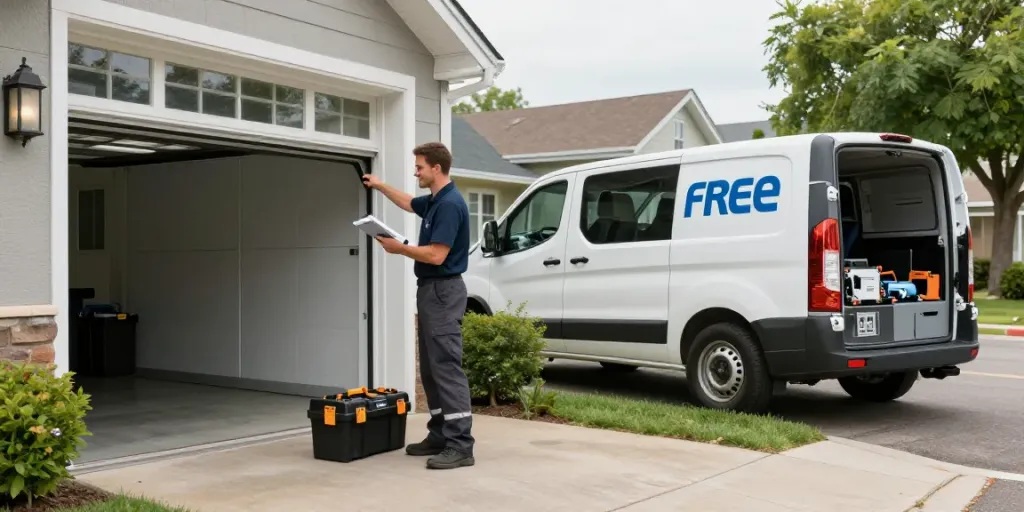
Understanding Garage Door Mechanisms and Issues
Garage doors are essential components of modern homes, providing security and convenience. However, like any mechanical system, they can encounter issues over time. One common problem homeowners face is when their garage door not closing. This issue can stem from various factors, affecting daily routines and creating security concerns. In this guide, we will delve into the inner workings of garage doors, explore the signs indicating a malfunction, and provide troubleshooting steps to resolve common problems.
How Garage Doors Work: Key Components
A garage door comprises several key components that work together to facilitate its operation. These include:
- Tracks: Steel tracks guide the movement of the door as it opens and closes.
- Rollers: These are attached to the door and glide along the tracks to enable smooth operation.
- Sensors: Safety sensors detect obstructions in the door's path, preventing it from closing when something is in the way.
- Opener: The electric motor that powers the door's movement.
- Springs: These counterbalance the weight of the door, making it easier to lift.
Common Signs Your Garage Door Isn't Closing
Homeowners should be vigilant about the signs that indicate their garage door may not be functioning correctly. Common indicators include:
- The garage door reverses unexpectedly and does not close fully.
- The door opens but hesitates or struggles to shut.
- There are unusual noises, like grinding or scraping, during operation.
- The door closes partially but stops before fully shutting.
- Sensors blink or flash, indicating a potential disruption in safety protocols.
Safety Features and Their Impact on Functionality
Many modern garage doors come equipped with safety features designed to protect both users and property. These include:
- Photoelectric Sensors: Positioned at the base of the door, these sensors detect movement and stop the door if an object is in its path.
- Auto-Reverse Mechanism: This feature automatically reverses the door if it encounters an obstruction, preventing damage or injury.
- Manual Override: In case of a power outage, most garage doors come with a manual release to allow access.
Top Reasons Your Garage Door Is Not Closing
Understanding the underlying causes of a garage door not closing can help homeowners take appropriate action to rectify the problem. Identifying the exact issue is crucial for a timely and effective repair.
Sensor Misalignment and Their Solutions
One of the most common reasons a garage door doesn't close is misaligned sensors. If the photoelectric sensors are out of alignment, they may not detect objects in the door's path properly, causing the door to reverse. Solutions include:
- Check if the sensors are clean; dirt or debris can obstruct their operation.
- Ensure that the sensors are properly aligned, facing each other directly.
- Adjust the sensor brackets as necessary to achieve proper alignment.
Obstructions and Their Hidden Effects
Sometimes, even a small object can cause significant issues with garage door functionality. Common obstructions include:
- Debris or dirt on the tracks that can impede movement.
- Tools, toys, or other items inadvertently left in the door's path.
- Vegetation or landscaping features that may encroach into the door's area of operation.
Regularly inspecting the area around your garage door can help prevent these common obstructions.
Mechanical Failures: Cables and Springs Issues
Mechanical failures such as broken cables or springs can also hinder a garage door's functionality. Symptoms of these issues include:
- The door feels very heavy or is difficult to operate manually.
- Visible wear or damage to cables or springs.
- Unusual noises, like snapping sounds, when operating the door.
If you suspect a mechanical failure, it's often best to consult a professional technician who can evaluate and safely address the issue.
Steps to Troubleshoot Garage Door Problems
When faced with a garage door that won't close, taking a systematic approach to troubleshooting can save time and potential repair costs. Here are some steps homeowners can take:
Basic Checks Before Calling a Professional
Before reaching out for professional help, consider the following simple checks:
- Inspect the power source to ensure the opener is receiving power.
- Check the remote control batteries and replace if necessary.
- Look for signs of physical damage to the door, tracks, or opener.
- Ensure no objects are obstructing the sensors or door's path.
How to Realign Garage Door Sensors
If the sensors are misaligned, follow these steps to correct them:
- Locate the sensors at the base of the garage door tracks.
- Ensure both sensors are clean and free of obstructions.
- Adjust the sensor brackets gently until both lights are solid and facing one another directly.
Testing the door after realigning the sensors is crucial to ensure it functions properly.
When to Replace Garage Door Parts
Not all issues are easily fixable. Signs that indicate the need for replacement parts include:
- Visible wear and tear on cables, springs, or rollers.
- Continuous operational issues that persist after troubleshooting.
- Frequent breakdowns requiring repeated repairs.
In such cases, consulting a professional who can recommend the appropriate parts and perform repairs is advisable.
Maintenance Tips for Preventing Garage Door Issues
Regular maintenance is key to ensuring a garage door functions properly for years to come. Homeowners can follow these maintenance tips:
Regular Inspection Routines for Homeowners
Conducting routine inspections can help catch potential problems early. Recommendations include:
- Checking the condition of cables and springs bi-annually.
- Inspecting the tracks for debris and ensuring they are clear.
- Listening for unusual noises during the door's operation.
Lubrication Tips for Smooth Operation
Lubrication is vital to the smooth functioning of garage doors. Use the following tips:
- Apply a silicone-based lubricant to rollers, hinges, and tracks.
- Avoid greasy lubricants, which can attract dirt and debris.
- Lubricate the garage door opener’s chain and sprocket periodically.
Seasonal Maintenance to Keep Your Door Functional
Different seasons can affect garage door operation. Ensure to:
- Winterize your garage door in colder months by checking the seals.
- Inspect weather stripping for any cracks or wear.
- Perform maintenance tasks in spring to prepare for increased usage.
FAQs About Garage Door Not Closing
How to fix a garage door when it won't close?
Start with basic troubleshooting such as ensuring power supply, checking for obstructions, and assessing the sensors' alignment. If these steps don’t resolve the issue, consider consulting a garage door repair professional.
Why won't my garage door close but nothing is blocking it?
This may indicate a sensor issue, as misaligned or dirty sensors can cause the door to reverse even without visible obstructions.
What could be the reasons why my garage door isn't closing fully?
Possible reasons include sensor misalignment, mechanical failures, or obstructions that may not be immediately visible.
Why is my garage door not closing even though there's something in the way?
If the garage door isn’t closing despite an obstruction, it could be that the sensors are malfunctioning or misaligned. Check that they are clean and properly positioned.
Can DIY maintenance help in preventing garage door failures?
Absolutely! Regular maintenance, including cleaning, lubrication, and inspections, can significantly reduce the likelihood of major failures and extend the life of your garage door.