Understanding Containerized Wastewater Treatment Systems
In an era where effective wastewater management is crucial for environmental sustainability, containerized wastewater treatment systems have emerged as pivotal solutions. These systems offer a flexible, efficient, and reliable means to address various water treatment challenges, from domestic sewage to industrial effluent. With their modular design housed in standard shipping containers, they enable rapid deployment and operational flexibility. When exploring options, containerized wastewater treatment provides comprehensive insights into how modern technology integrates into effective waste management.
What are Containerized Wastewater Treatment Systems?
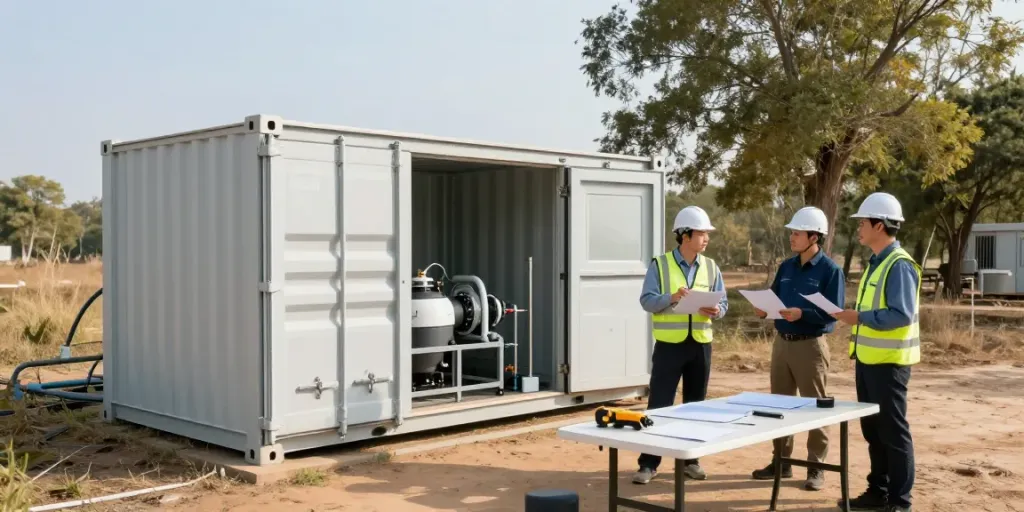
Containerized wastewater treatment systems are prefabricated, self-contained facilities designed to treat wastewater using a compact model that fits into standard shipping containers. These systems are engineered for portability and rapid installation, making them perfect for scenarios where traditional treatment facilities are either impractical or too slow to deploy. Their design allows for easy transportation and quick setup, often requiring just a flatbed truck and minimal installation time.
The Evolution of Wastewater Treatment Technologies
The evolution of wastewater treatment technologies has seen a significant shift from centralized, large-scale plants to more decentralized and flexible solutions. Historically, wastewater treatment focused on fixed-site operations that could handle vast volumes of waste. However, with increasing urbanization, industrial growth, and the need for quick responses to environmental challenges, the industry has embraced modular systems like containerized solutions that cater to specific site needs.
Key Components of Containerized Systems
Containerized systems comprise several essential components that facilitate effective wastewater treatment:
- Pre-treatment Units: These remove large solids and grit from wastewater before it enters the primary treatment phase.
- Biological Treatment Modules: Utilizing biological processes, these modules treat organic waste through aerobic or anaerobic digestion.
- Filtration and Disinfection Units: These ensure that treated water meets regulatory discharge standards by eliminating pathogens and residual contaminants.
- Control and Monitoring Systems: Equipped with advanced sensors and controls, these systems allow for real-time monitoring of treatment performance and operational conditions.
Benefits of Using Containerized Wastewater Treatment
Rapid Deployment and Operational Flexibility
One of the most significant benefits of containerized wastewater treatment systems is their rapid deployment capability. They are pre-assembled and tested at the factory, allowing for quick on-site installation often completed within one to two days. This speed is particularly advantageous for emergency responses or temporary needs, such as disaster relief scenarios or large events where wastewater must be managed effectively and efficiently.
Environmental Compliance and Safety Standards
Containerized systems are designed to comply with stringent environmental regulations. They enable municipalities and industries to meet discharge standards and minimize the environmental impact of their wastewater. By employing advanced treatment technologies, these systems ensure treated water is safe for return to the environment or for reuse in various applications, which is increasingly important in today’s eco-conscious landscape.
Cost-Effectiveness in Temporary Applications
Investing in a containerized wastewater treatment system can be cost-effective, particularly for temporary or short-term projects. By reducing the need for extensive infrastructure development, these systems save on capital expenditure and operational costs. Furthermore, their mobile nature allows companies to relocate them as needed, offering an economic advantage for projects with uncertain timelines or locations.
Common Applications of Containerized Systems
Domestic Sewage Treatment Solutions
Containerized systems are ideal for small communities, rural areas, or construction sites lacking established wastewater infrastructure. They can manage varying inflow rates and adapt to different sewage characteristics, helping to maintain hygiene and public health standards.
Industrial Effluent Management
Industries often produce complex wastewater that requires specific treatment solutions. Containerized wastewater treatment systems can be tailored to handle particular effluents, ensuring compliance with sector-specific regulations. Common applications include treatment of wastewater from food processing, pharmaceuticals, and chemical manufacturing.
Mobile Treatment for Events and Emergencies
Large gatherings, festivals, and disaster relief operations may generate significant wastewater in short time frames. Containerized systems provide a quick and efficient solution for managing these situations, ensuring that wastewater is treated on-site, thus minimizing environmental impacts and health risks.
Challenges and Considerations
Addressing Misconceptions about Containerized Solutions
Despite their advantages, some misconceptions about containerized wastewater treatment systems exist. They are sometimes seen as insufficient for larger scale operations; however, advancements in technology have expanded their capabilities, allowing them to manage complex treatment processes while remaining compact.
Infrastructure and Site Requirements
While containerized systems offer flexibility, proper site assessments are crucial for installation. Factors such as local regulations, available utilities, and site accessibility must be considered to ensure optimal system performance. Understanding these requirements can help prevent installation delays and operational issues.
Long-Term vs. Short-Term Usage Scenarios
Containerized systems can effectively serve both short-term and long-term needs. For temporary projects, they offer flexibility and rapid deployment. In contrast, for long-term applications, considerations around maintenance, potential upgrades, and integration with existing infrastructure are essential to ensure sustained performance and compliance.
Future Trends in Wastewater Treatment
Innovations in Containerized System Design
As the demand for sustainable solutions grows, innovations in containerized wastewater treatment are on the rise. Advances in materials, automation, and energy efficiency are leading to more robust and effective systems. Future designs may incorporate advanced monitoring technologies and energy recovery options, improving overall efficiency and reducing operational costs.
Emerging Technologies for Enhanced Efficiency
Emerging technologies such as membrane bioreactor (MBR) systems, nanotechnology for filtration, and smart monitoring systems are becoming integrated into containerized solutions. These technologies not only enhance treatment efficiency but also improve the quality of the effluent produced, making it suitable for various reuse applications.
Predictions for the Wastewater Treatment Industry in 2026
The wastewater treatment industry is poised for significant growth, driven by increasing regulatory pressures and the necessity for sustainable practices. By 2026, it is expected that containerized solutions will become a standard option for both temporary and permanent installations across various sectors, enhancing overall water management practices globally.
What is a containerized wastewater treatment plant?
A containerized wastewater treatment plant is a mobile, modular system encapsulated within shipping containers, designed to treat various types of wastewater efficiently. Its flexibility in deployment and ability to meet regulatory standards make it a viable solution for many applications.
How do containerized systems comply with environmental standards?
Containerized systems comply with environmental standards by integrating advanced treatment technologies that effectively reduce contaminants in wastewater, ensuring the treated effluent meets or exceeds regulatory requirements before discharge or reuse.
What industries benefit from containerized wastewater treatment?
Industries such as construction, food processing, pharmaceuticals, oil and gas, and event management significantly benefit from containerized wastewater treatment due to their ability to quickly and effectively manage wastewater while maintaining compliance with environmental regulations.
How much do containerized wastewater treatment systems cost?
The cost of containerized wastewater treatment systems varies depending on design specifications, treatment requirements, and site conditions. Generally, they represent a cost-effective solution in comparison to traditional fixed installations, particularly for temporary applications.
What are the maintenance requirements for these systems?
Maintenance requirements for containerized wastewater treatment systems include regular monitoring of performance parameters, periodic inspections, and servicing of mechanical components. Depending on usage, additional maintenance may be required to ensure optimal operation and compliance with environmental standards.